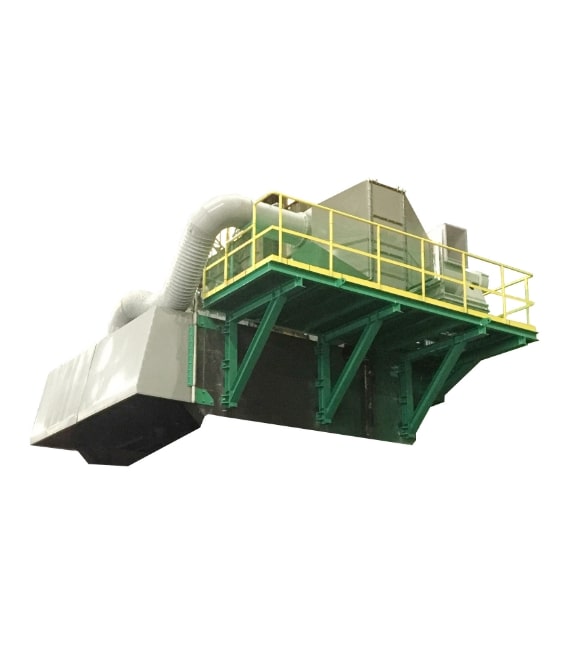
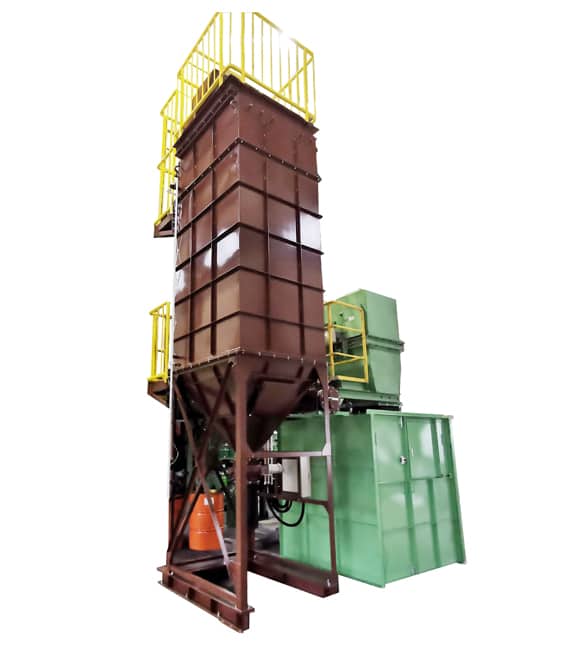
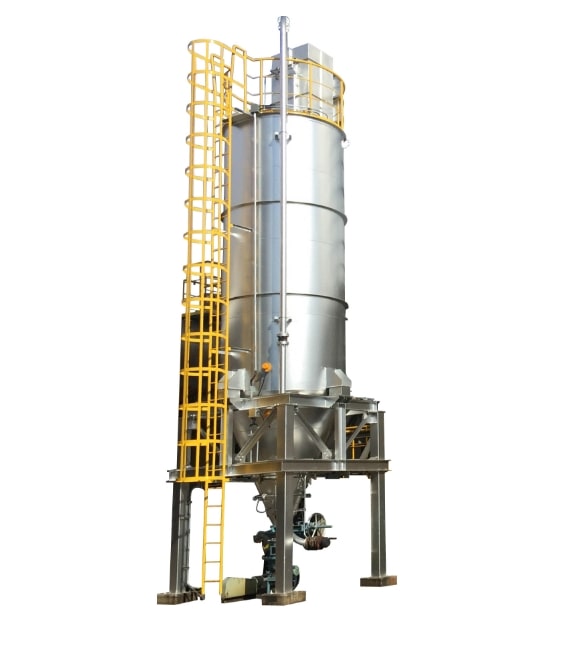
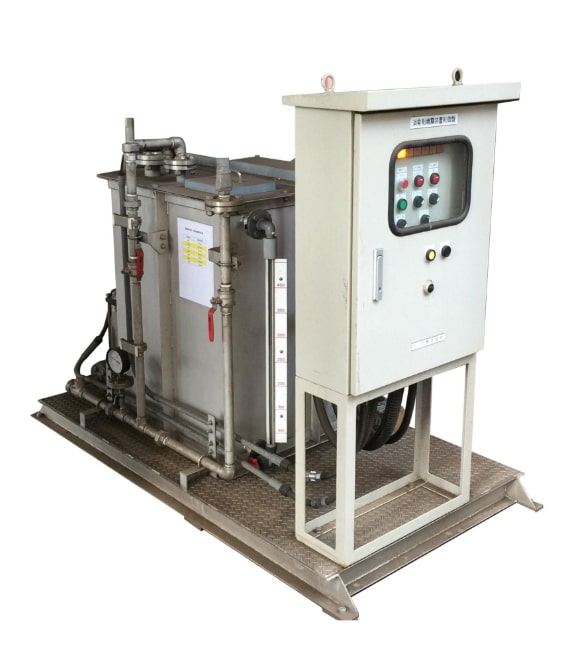
Technological innovation has significantly improved the capabilities of electric furnaces for steelmaking.
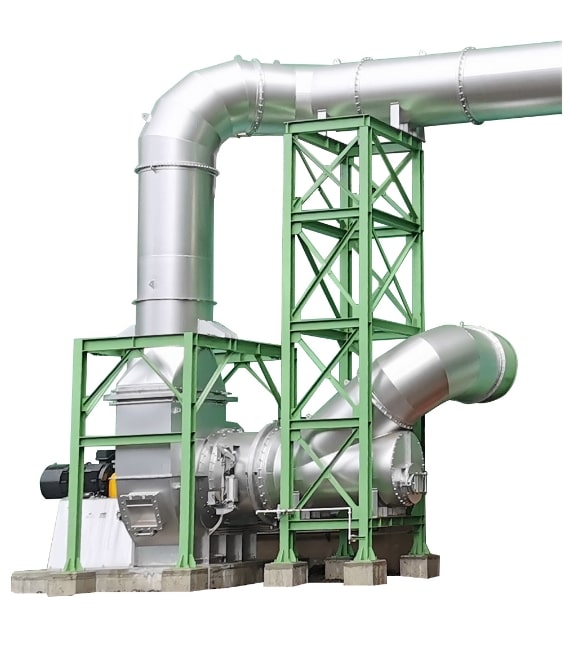
SEC utilizes the know-how it has cultivated over many years in exhaust gas treatment equipment in this field to provide a comprehensive range of services, from design and manufacturing to quality control and on-site construction.

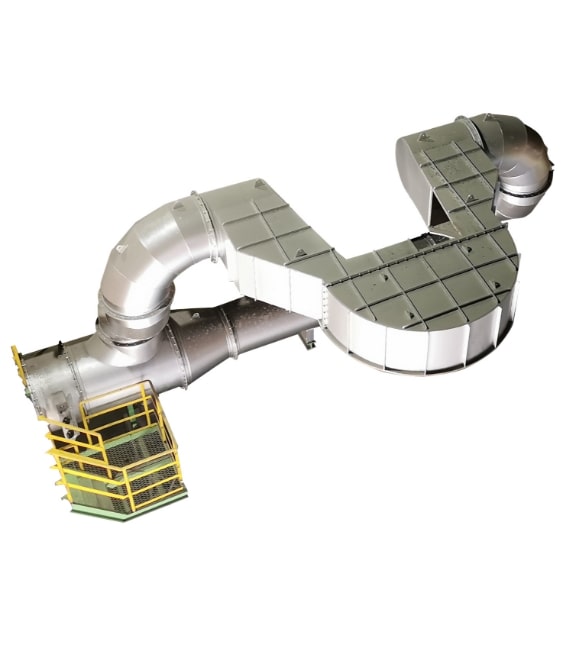
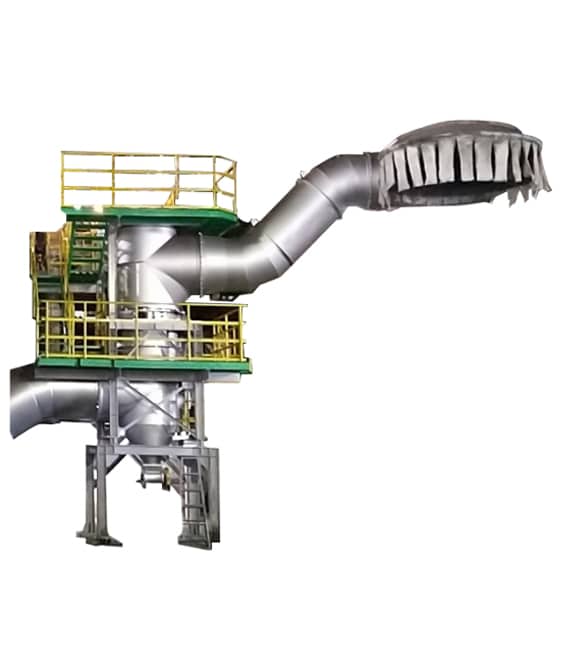
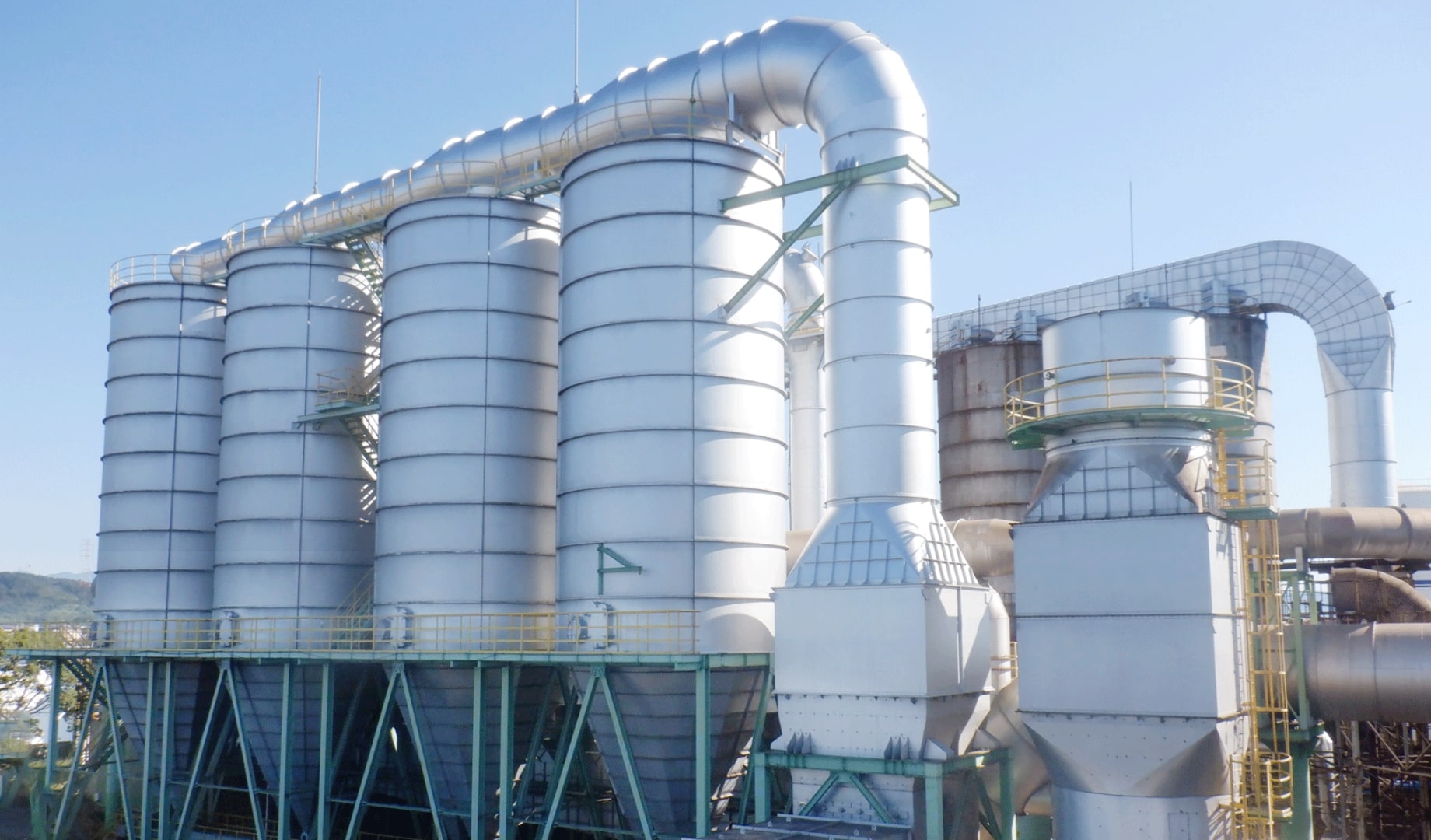
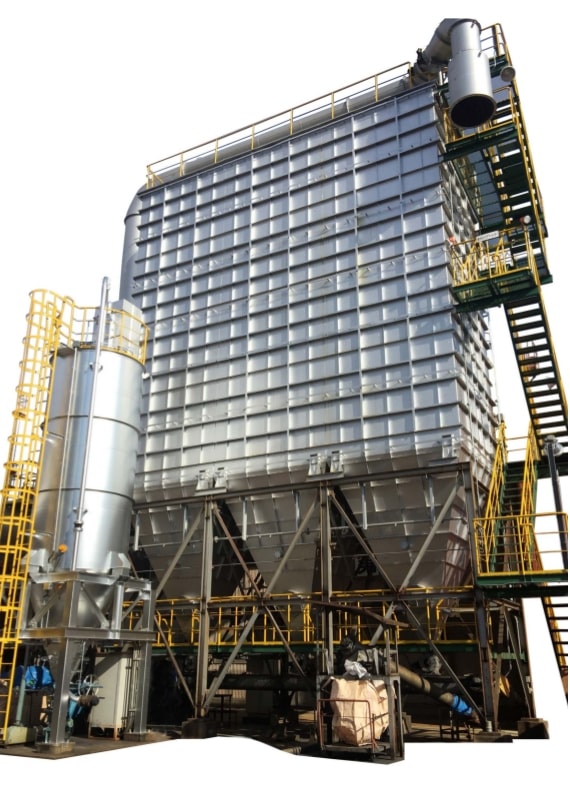
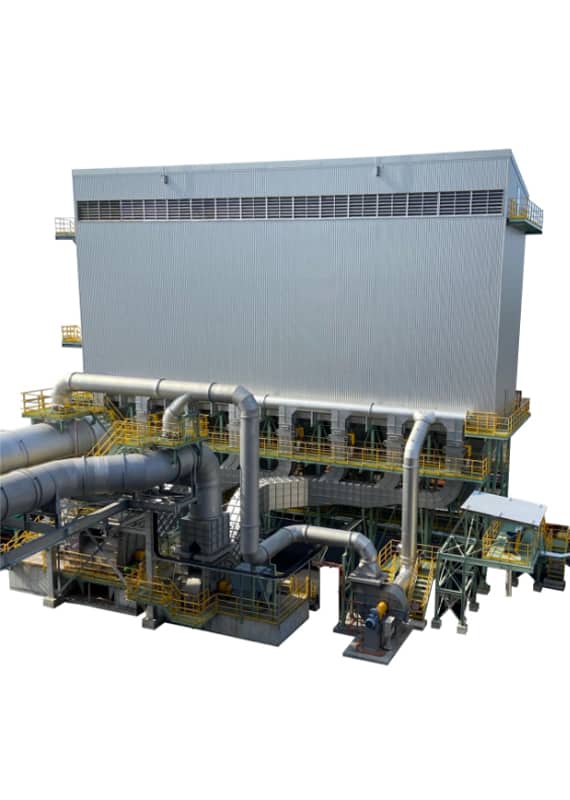
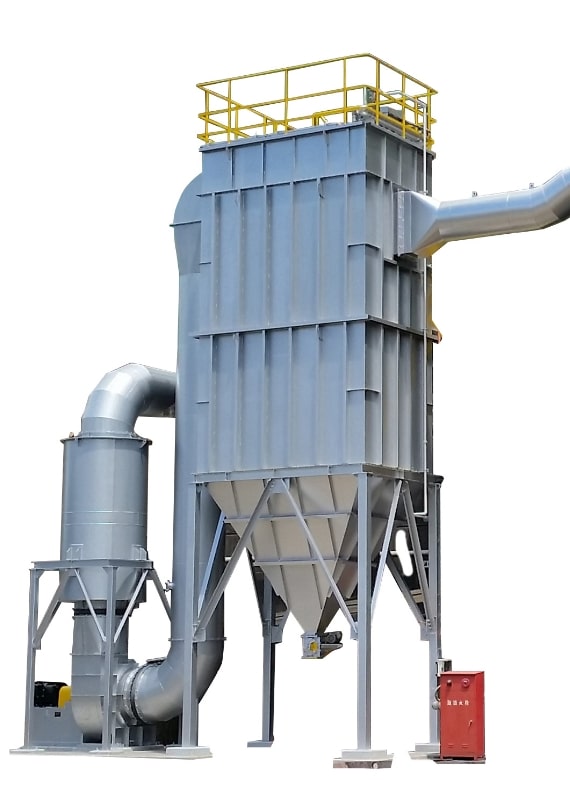
Electric steelmaking furnaces use electricity to melt scrap iron and recycle it into steel products. SEC's exhaust gas treatment equipment processes the exhaust gases generated during this melting process.
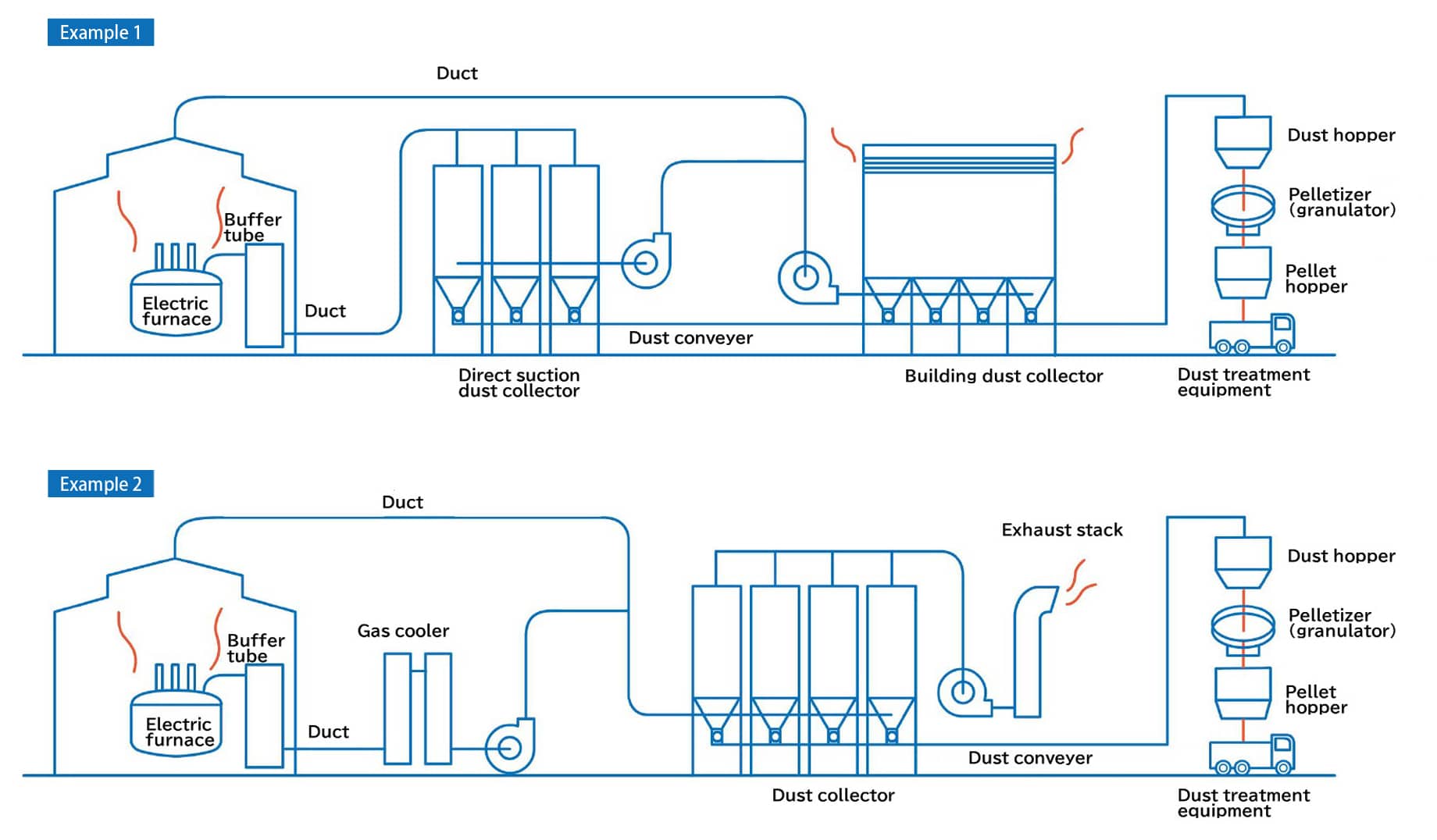
Exhaust gas treatment is carried out in two separate systems.
Electric furnace steelmaking exhaust gas treatment equipment has the following functions:
| 【Dust collection】 | Dust in the exhaust gas is reliably captured using a dust collector to prevent it from being released into the atmosphere. |
| 【Exhaust gas cooling】 | High-temperature exhaust gas is cooled to a temperature suitable for the dust collector. |
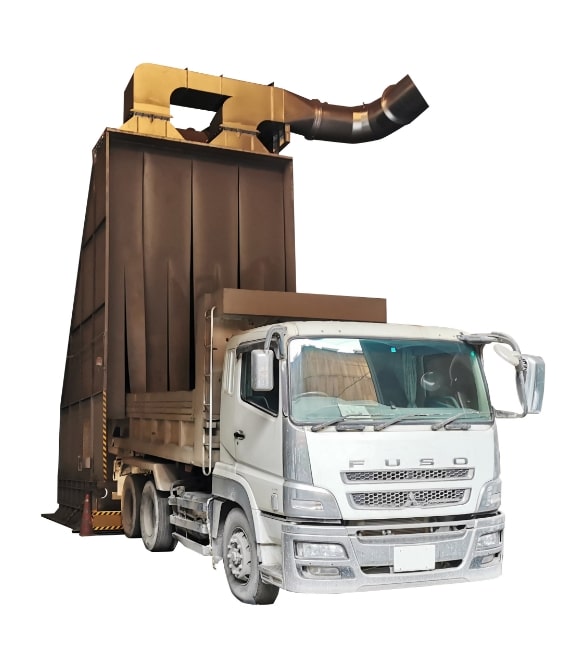
| 【Dust reuse】 | The collected dust is collected, processed into granules, and transported for reprocessing. |
We offer both reverse and pulse jet dust removal methods, and we propose the optimal method based on your exhaust gas characteristics, installation space, and other requirements.We have extensive experience treating air volumes of up to 3,000 m3/min for medium-sized furnaces and 10,000-20,000 m3/min for large furnaces.
Safety and health are a top priority at electric arc furnace steelmaking plants, and there is a growing need for improved working environments. In relation to exhaust gas treatment, it is essential to prevent dust from leaking and overflowing into the plant. SEC proposes work environment improvements by developing efficient dust collection methods and reviewing equipment capacity and configuration.
Electric arc furnace steelmaking and exhaust gas treatment consume large amounts of energy. SEC primarily focuses on reducing electricity consumption and proposes energy-saving solutions through improved equipment and operational efficiency.
Some of SEC's oldest equipment, delivered in the 1970s, is still in operation today. To ensure continued use, SEC offers partial repairs and replacements. We also offer improvements tailored to current standards and customer needs. To ensure continued use, SEC offers partial repairs and replacements. We also offer improvements tailored to current standards and customer needs.
SEC's design staff is responsible for designing the necessary equipment. Our production management staff and our own factory then work together to manufacture the product, and our quality control department checks its quality before shipping. For on-site construction, SEC's construction staff handles everything from construction planning to on-site management. SEC's technical expertise is fully utilized from design to on-site construction.
Equipment must operate safely, accurately, and be easy to use. To achieve this, proper planning of electrical and instrumentation equipment is essential. SEC offers comprehensive support, from formulating operation plans, electrical and instrumentation equipment configurations, and control and power panel specifications to planning and managing installation and electrical wiring work, to proposing safe, accurate, and easy-to-use equipment.
Whether your requirements are clear or not, SEC staff will listen to your requests and issues and assist you from the specification formulation stage. Not only sales staff, but also design, manufacturing, and construction staff will be present as needed, to create the equipment together with you.
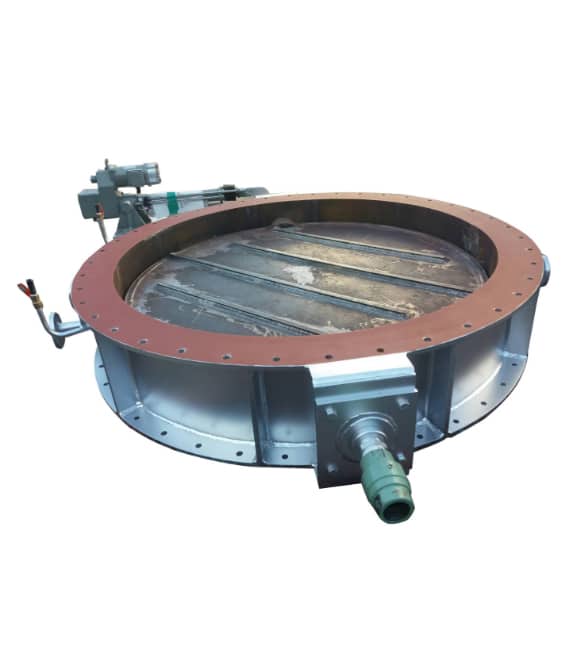
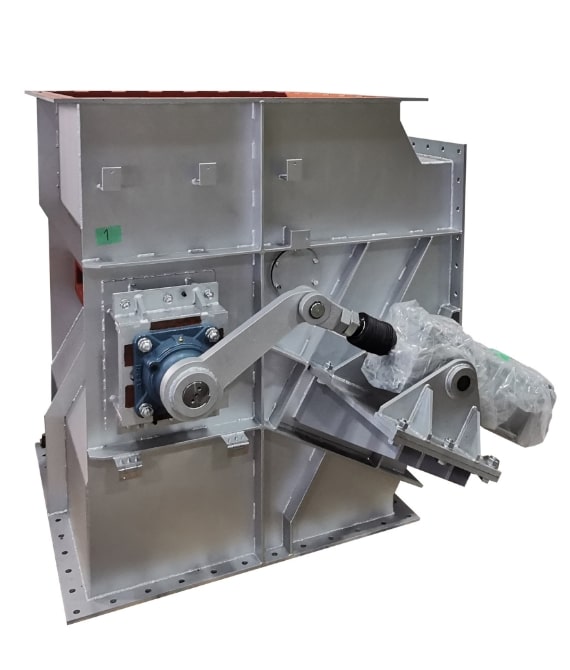
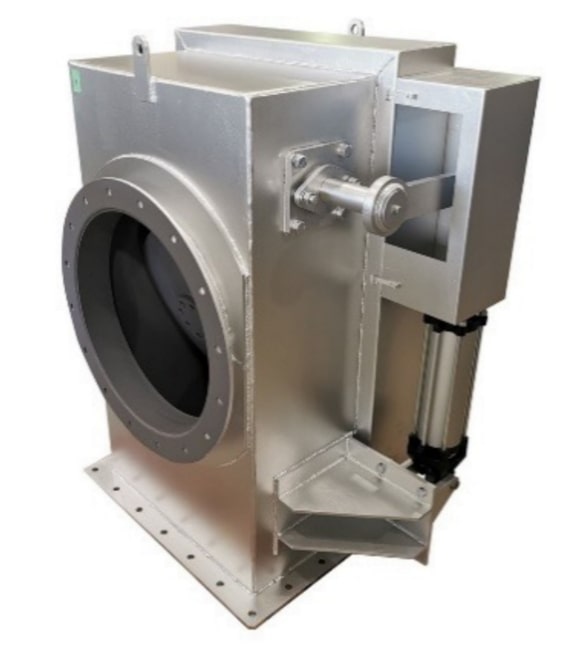
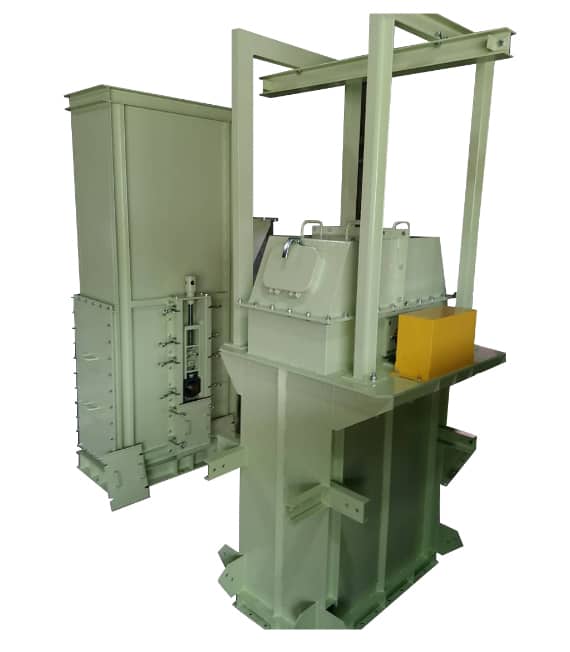
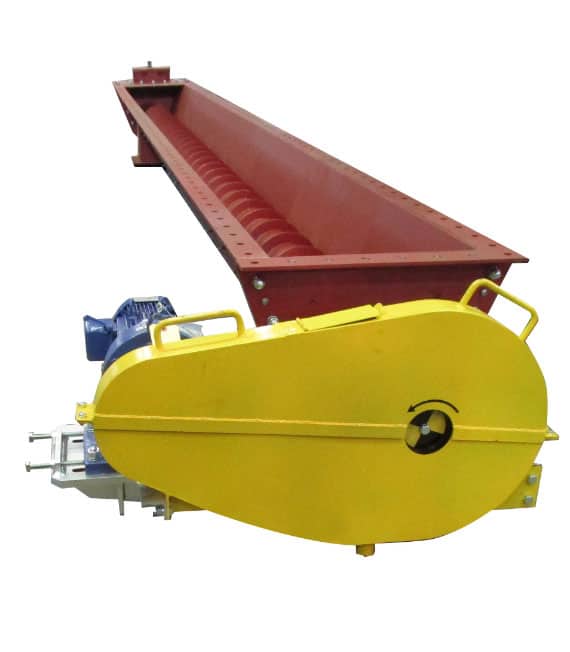
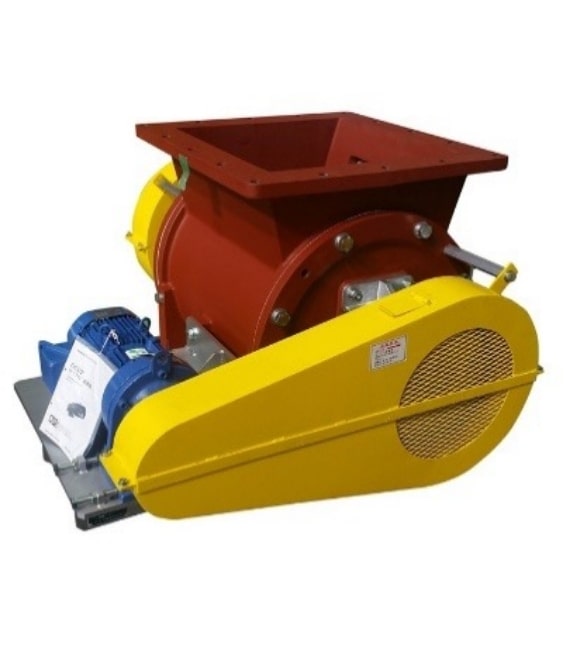
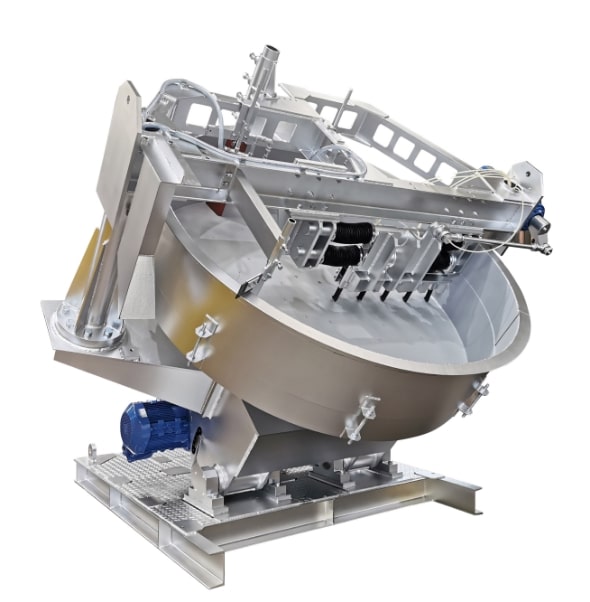
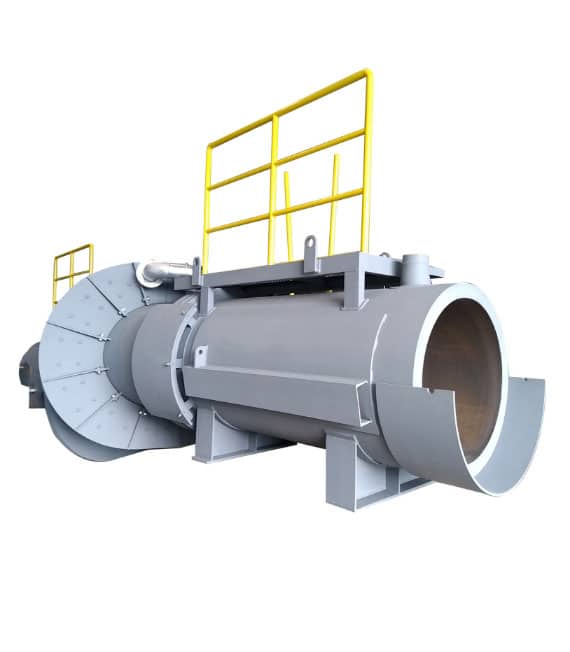
SEC's technology is used in a variety of applications beyond electric arc furnace steel melting and exhaust gas treatment. While the required functionality and performance vary depending on the application, we will propose solutions for each.


When harmful components in exhaust gas need to be removed, chemicals (powder) are injected into the exhaust gas during transport.In addition, when it is necessary to remove or reduce the odor of exhaust gas, a chemical spraying system is useful.


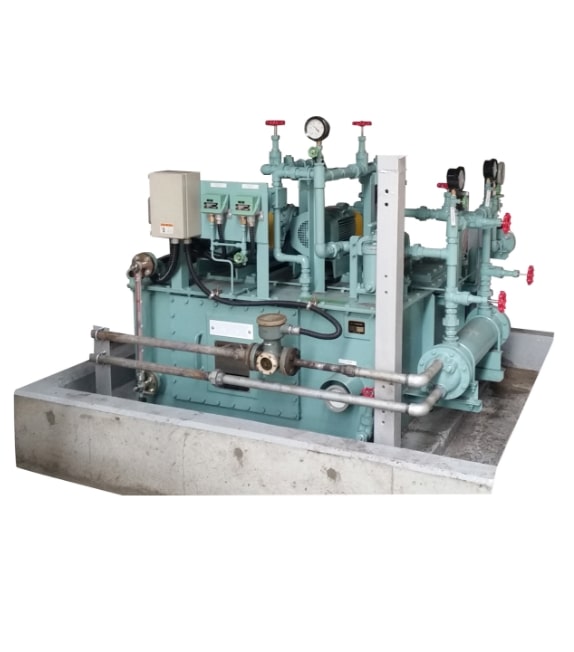
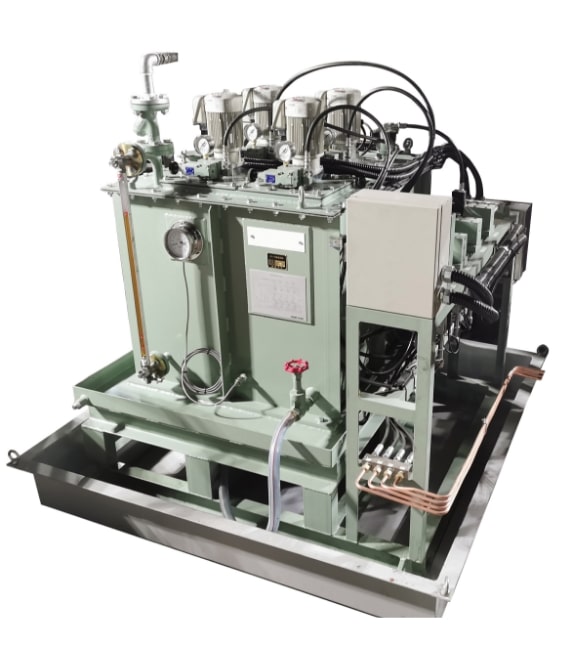
We propose a system that supplies oil for lubrication of machinery and equipment, or for lubrication between equipment and products.