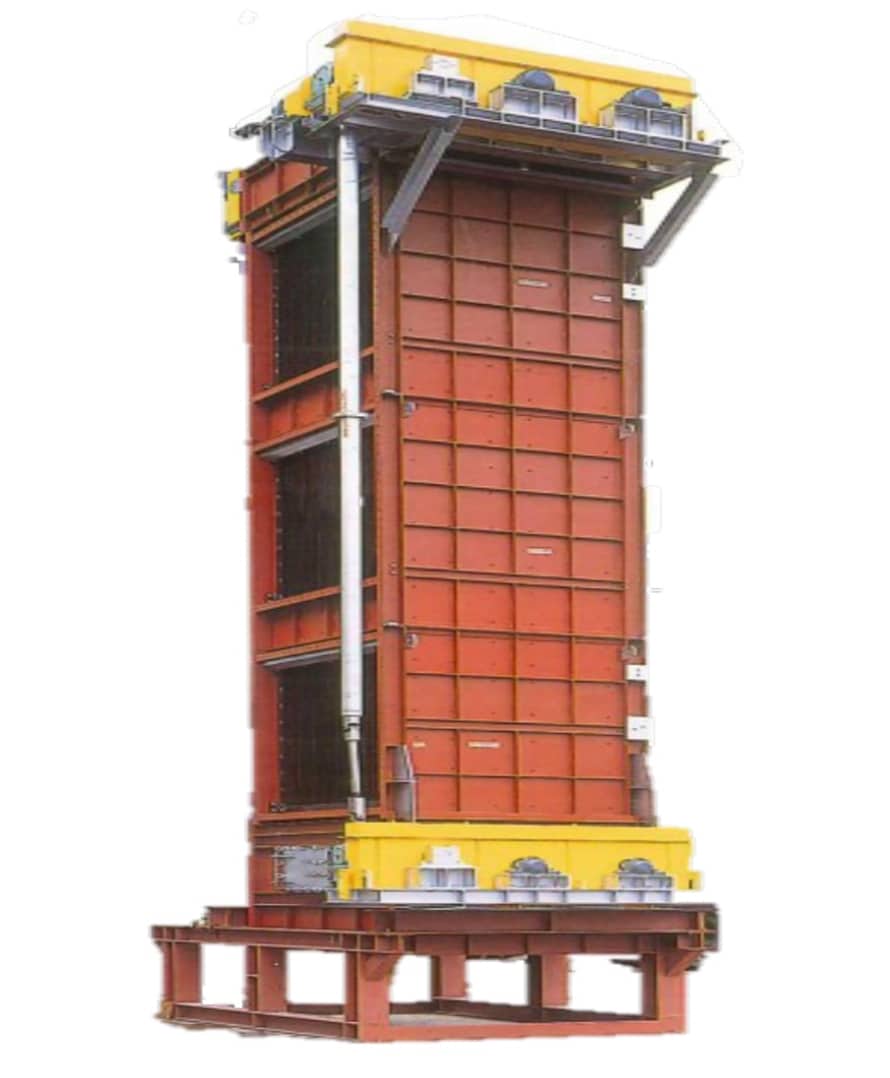
Heat Exchanger

HEAT EXCHANGER image

Our company designs, manufactures, delivers, and installs heat exchangers, primarily for waste incineration facilities. Heat exchangers are equipment used to recover thermal energy from the high-temperature exhaust gases generated by waste incineration. Reusing the thermal energy generated during waste incineration is called "thermal recycling," and heat exchangers are devices that carry out this process.
The thermal energy recovered by heat exchangers is used for a variety of purposes, including supplying hot water to the surrounding area, reusing it as air for waste combustion, and preventing white smoke when exhaust gas is released after treatment.
Leveraging our extensive delivery track record and technical capabilities, our heat exchangers continue to boldly take on environmental issues.
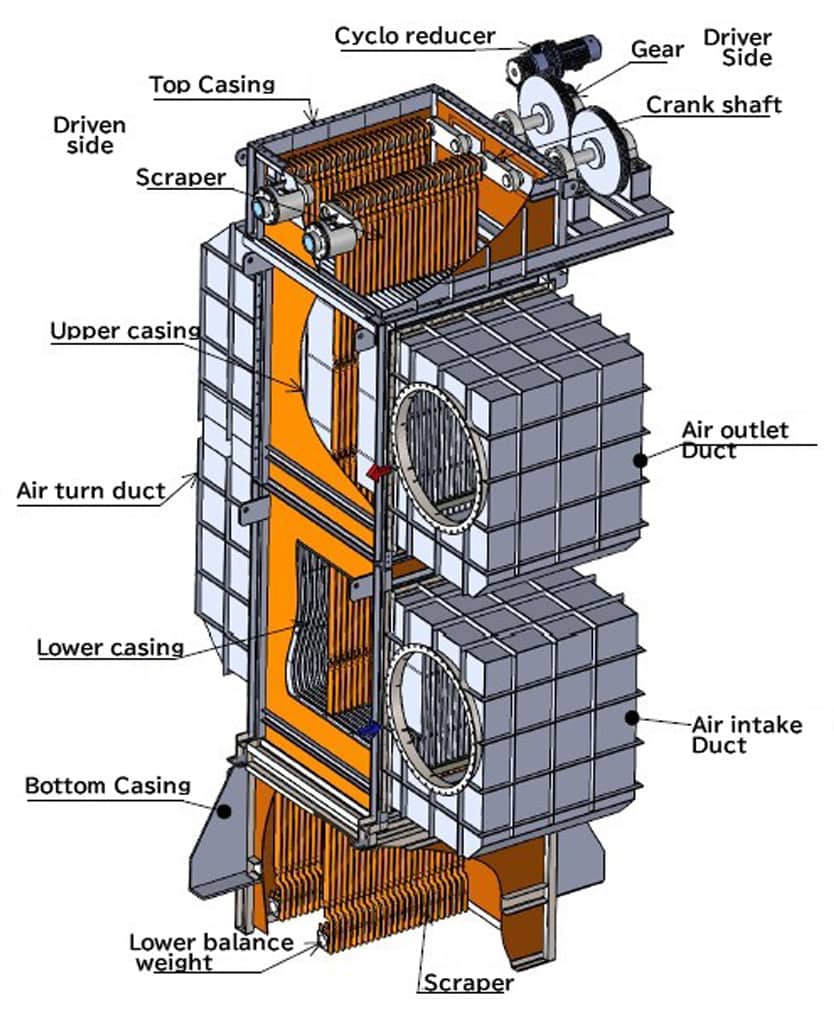
HEAT EXCHANGER image

The diagram above shows the internal structure of a plate heat exchanger. The scraper attached to the crankshaft oscillates to prevent dust from adhering.
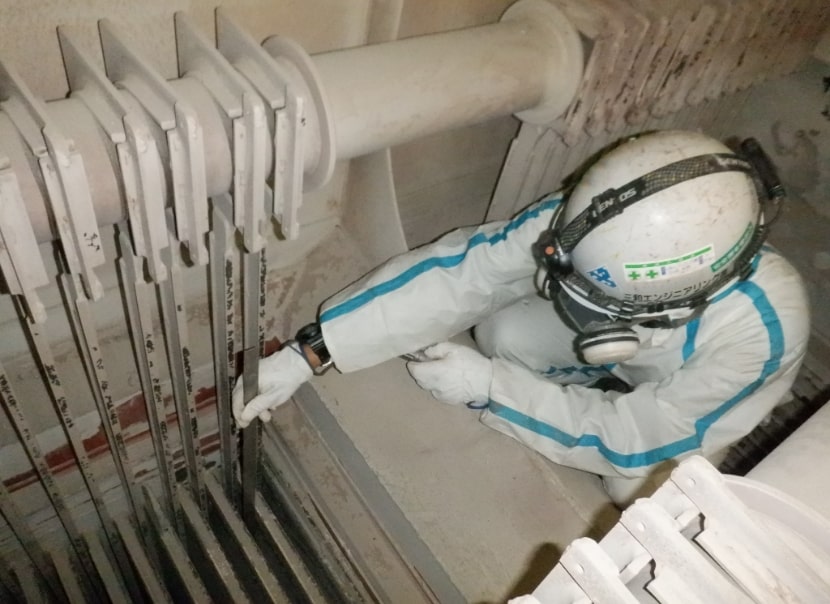
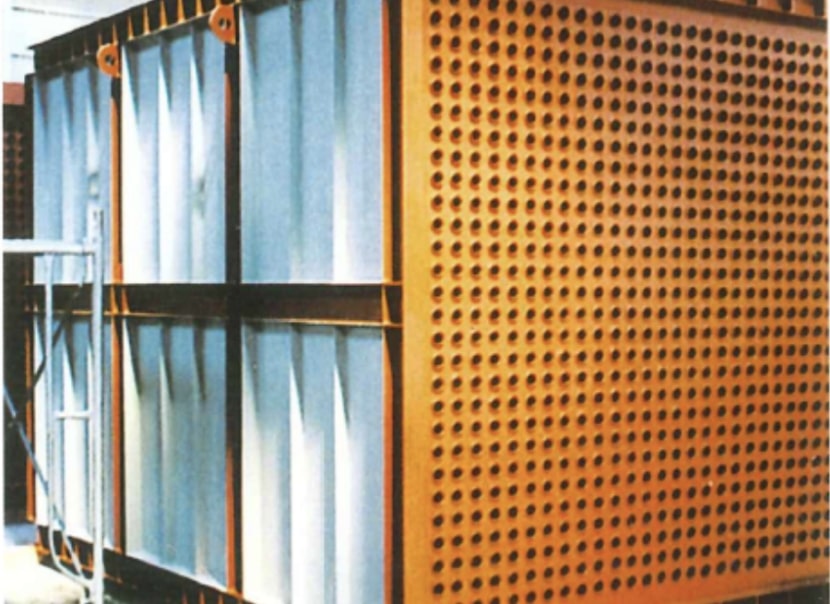
Features of Plate Heat Exchangers

  • Equipped with a dust removal device (scraper type), it prevents blockages due to dust accumulation and maintains stable heat exchange performance.
  • Individual heat transfer blocks can be replaced, simplifying maintenance and minimizing maintenance costs. Furthermore, regular inspections and maintenance of existing heat exchangers extend the life of facilities.
  • We also provide inspection and maintenance for plate heat exchangers manufactured by the former GLORY PYRO.
Features of Plate Heat Exchangers

Features of Tubular Heat Exchangers

Tubular heat exchangers are widely used in a variety of fields because they are relatively inexpensive to manufacture.
We handle gas x gas (gas x gas) type heat exchangers and can select and manufacture the optimal material depending on the gas properties.

Features of Tubular Heat Exchangers

Comparison of Plate and Tubular Heat Exchangers

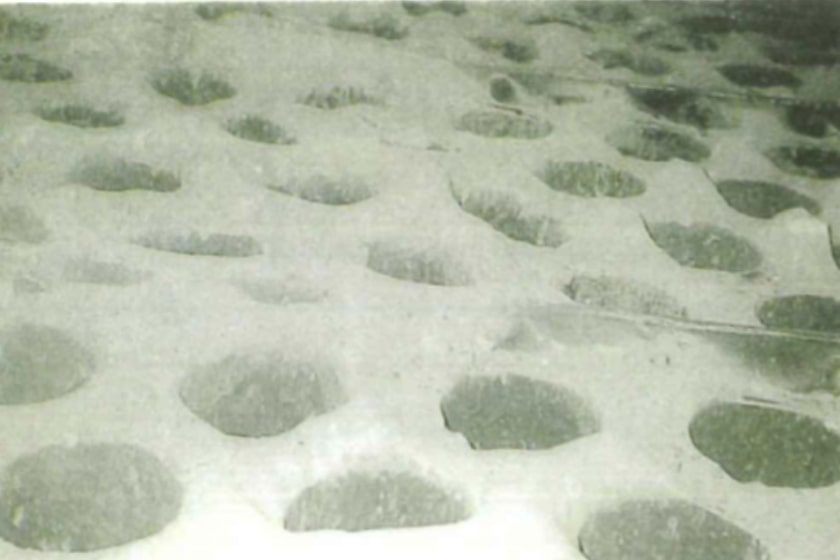
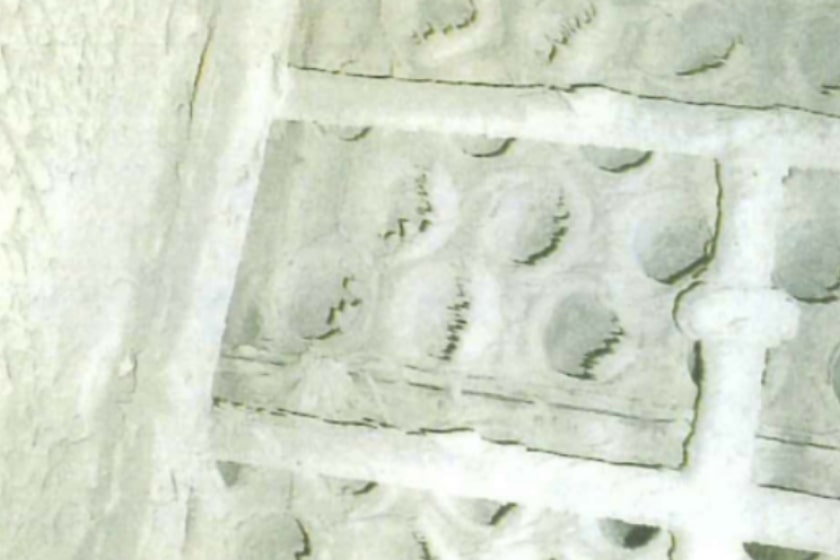
The image below compares the dust volume of tubular and plate heat exchangers.

【Dust accumulation example of the Tubular Heat Exchangers】

Fig.1 upper tube plate

upper tube plate

Fig.2 lower tube plate

lower tube plate

In tubular heat exchangers, dust continues to accumulate around the tubes, causing them to clog.

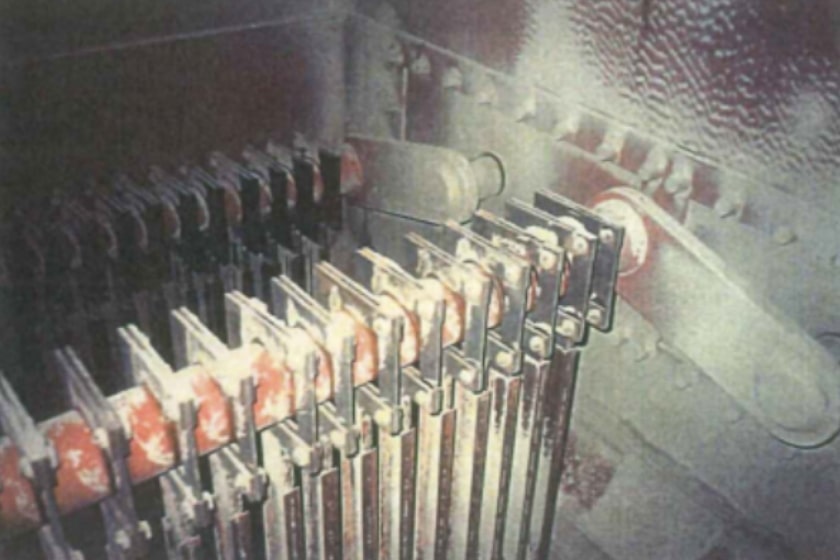
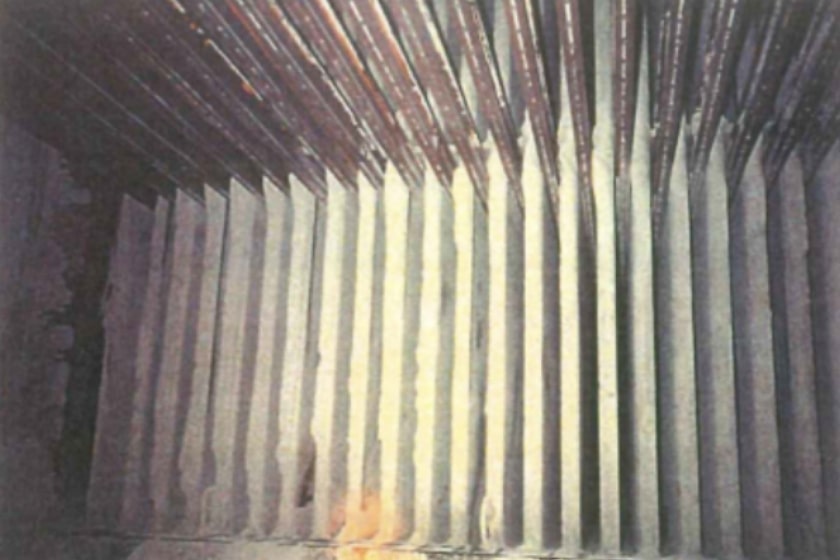
【Dust accumulation in a plate heat exchanger with the dust scraper】

Fig.3 Upper drive unit of the dust removal device

Upper drive unit of the dust removal device

Fig.4 Top of the transmission block

Top of the transmission block

In contrast, plate heat exchangers have dust scrapers installed between the plates to regularly remove dust and prevent blockages due to dust. Another feature of plate heat exchangers is that the space between air holes is narrower than in tubular heat exchangers, reducing the area where dust can accumulate.

For inquiries

For inquiries, please refer to the PDF button below.
PAGETOPへ